 Official Wechat Account
 Offical Weibo Account
Copyright: @Genertec Universal Medical Group Co., Ltd. All Rights Reserved
京ICP备11044084号-5
 京公网安备11010102006610号
For any suggestions, please send email to: jijian@um.gt.cn


An article published in Current Affairs Report (Issue 10, 2024) under the byline of the Ministry of Civil Affairs explicitly noted that China has entered a moderately aging society. As population aging continues to deepen, by the end of 2025, the number of people aged 60 and above nationwide had exceeded 320 million. The “dual dilemma of medical care and elderly care”—including gaps in referral coordination for acute cases, inadequate rehabilitation and care capacity, and a lack of professional support during stable phases—remains a real challenge for many families. In 2026, the Government Work Report proposed expanding the supply of inclusive elderly care services and implementing a rehabilitation and nursing capacity expansion project, while five government departments deployed an action plan to promote integrated medical and elderly care, requiring essentially county-level coverage by the end of 2027. State-owned enterprise—run medical institutions are responding to this livelihood issue through diversified model innovation.
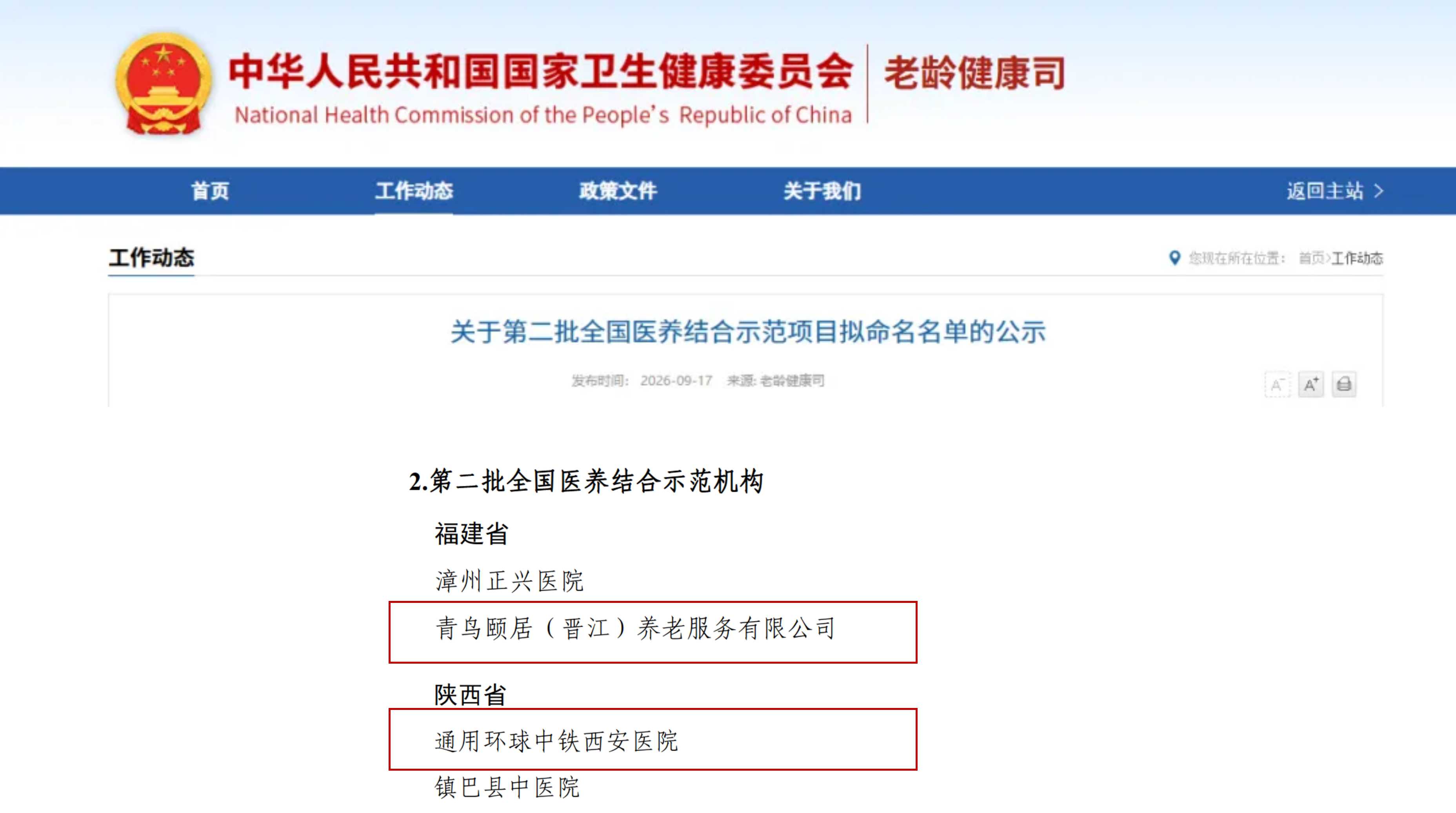
Recently, two institutions under Universal Medical—China Railway Xi’an Hospital and Qingniao Yiju (Jinjiang) Pension Service Co., Ltd. (operating the Jinjiang Social Welfare Center · Qingniao Yiju Healthcare Center)—were both selected for the second batch of the National Integrated Medical and Elderly Care Demonstration Project list proposed by the National Health Commission. These two “national-level” certifications attest to the model foundations of state-owned enterprise—run medical institutions in the integrated medical and elderly care sector. From Xi’an’s “Five-Bed Linkage,” which connects continuous care across scenarios, to Jinjiang’s public-built, privately-operated inclusive smart healthcare complex, Universal Medical, with the responsibility of a central state-owned enterprise, continues to explore a high-quality development path for integrated medical and elderly care with distinctive characteristics.
China Railway Xi’an Hospital’s exploration in integrated medical and elderly care began in 2008 with the founding of the First Love and Care Nursing Home in Beilin District, Xi’an—Shaanxi Province’s first integrated medical and elderly care institution established by a general hospital. Nearly two decades of deep cultivation have given the hospital a deeper understanding of how “medical care” and “elderly care” should connect.
Leveraging the strong medical foundation of a general hospital, the hospital took the lead in piloting the “Five-Bed Linkage” integrated medical and elderly care model, connecting five resources: on the medical side, home sickbeds, treatment beds, and hospice care beds; on the elderly care side, home-based elderly care beds and institutional elderly care beds. The core of this model is shifting from “institution-centered” to “elder-centered.” When an elderly person needs treatment, a medical bed is available; when rehabilitation is needed, rehabilitation nursing is provided; once the condition stabilizes, care can continue at home sickbeds or elderly care beds; at the end of life, hospice care beds provide a safety net. Beds dynamically shift with the elderly person’s health status, ensuring seamless connection among medical treatment, rehabilitation, elderly care, and end-of-life support—care is never interrupted, effectively addressing the pain points of “difficulty in accessing medical care, difficulty in accessing elderly care, and poor referral coordination” for older adults.
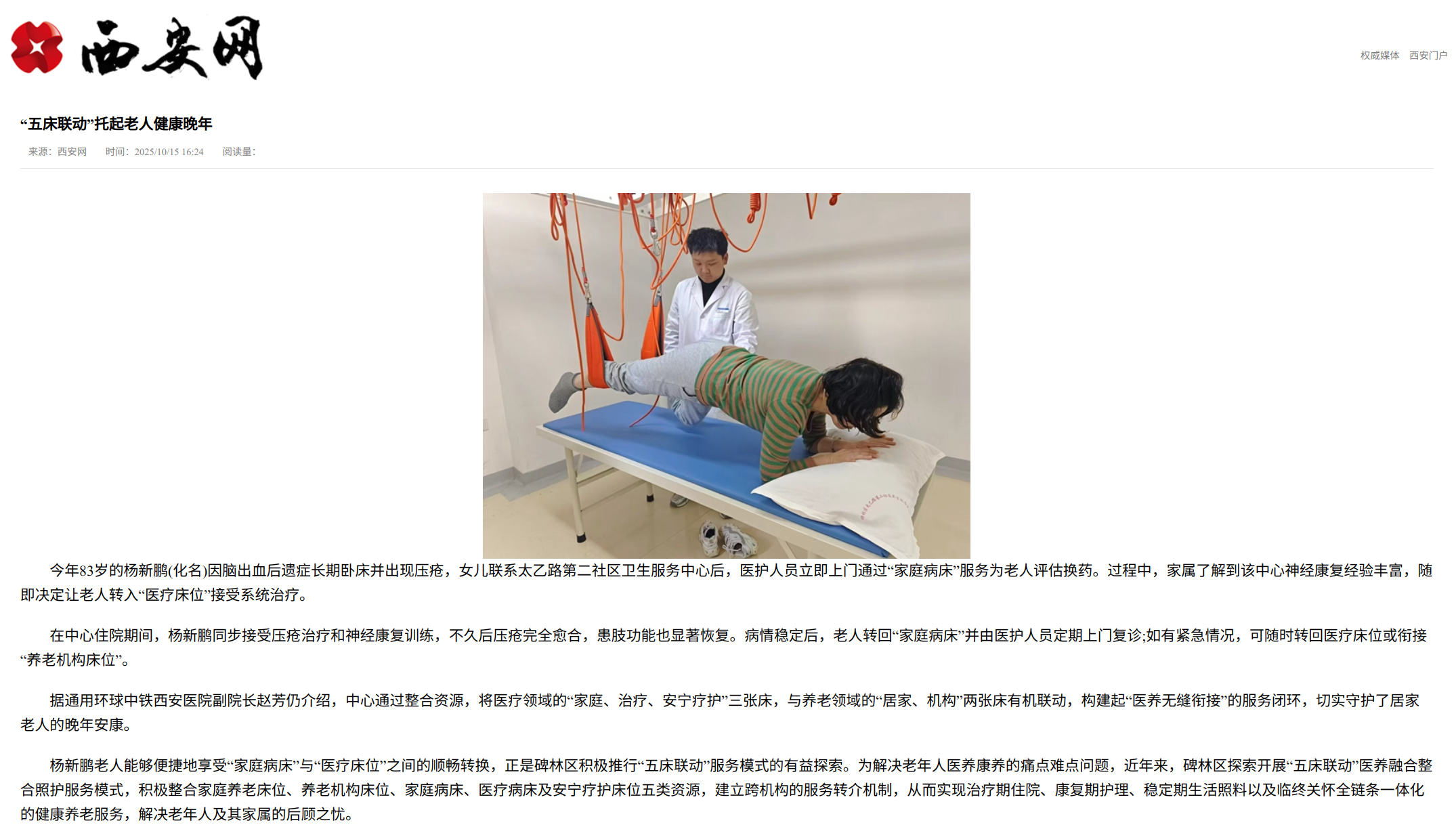
Eighty-three-year-old Yang Xinpeng is a beneficiary. Bedridden long-term due to sequelae of a cerebral hemorrhage and suffering from pressure ulcers, his family first obtained home assessment and dressing changes through a “home sickbed.” After transfer to a “medical bed” for systematic treatment and neurological rehabilitation training, the pressure ulcers healed completely. Once his condition stabilized, he returned to a “home sickbed” for regular home follow-up visits by medical staff. From acute-phase treatment and recovery-phase rehabilitation to stable-phase long-term care, the entire process relied on the “Five-Bed Linkage” for smooth referrals, with each stage of the elderly person’s care needs met securely by the corresponding bed and services.
As a key livelihood project of the Jinjiang Municipal Party Committee and Municipal Government, the Jinjiang Social Welfare Center adopts a model of “public construction, private operation, integrated medical and elderly care, and separation of management and operation.” In 2018, it was entrusted to Qingniao Yiju under Universal Qingniao for operation. With a total investment of over RMB 300 million and a total floor area of 69,000 square meters, it is currently the county-level comprehensive social welfare center with the largest floor area in Fujian Province, with 1,030 beds, and houses a secondary rehabilitation hospital, a senior canteen, a neighborhood center, and other facilities.
What does this model mean for ordinary families? Public institutions are affordable and creditworthy, but often have long waiting lists and provide relatively basic services; purely market-based institutions offer flexible services but are expensive and less stable. “Public-built, privately-operated” combines the strengths of both: seniors pay inclusive prices to live in a government-endorsed campus and receive care from professional teams.
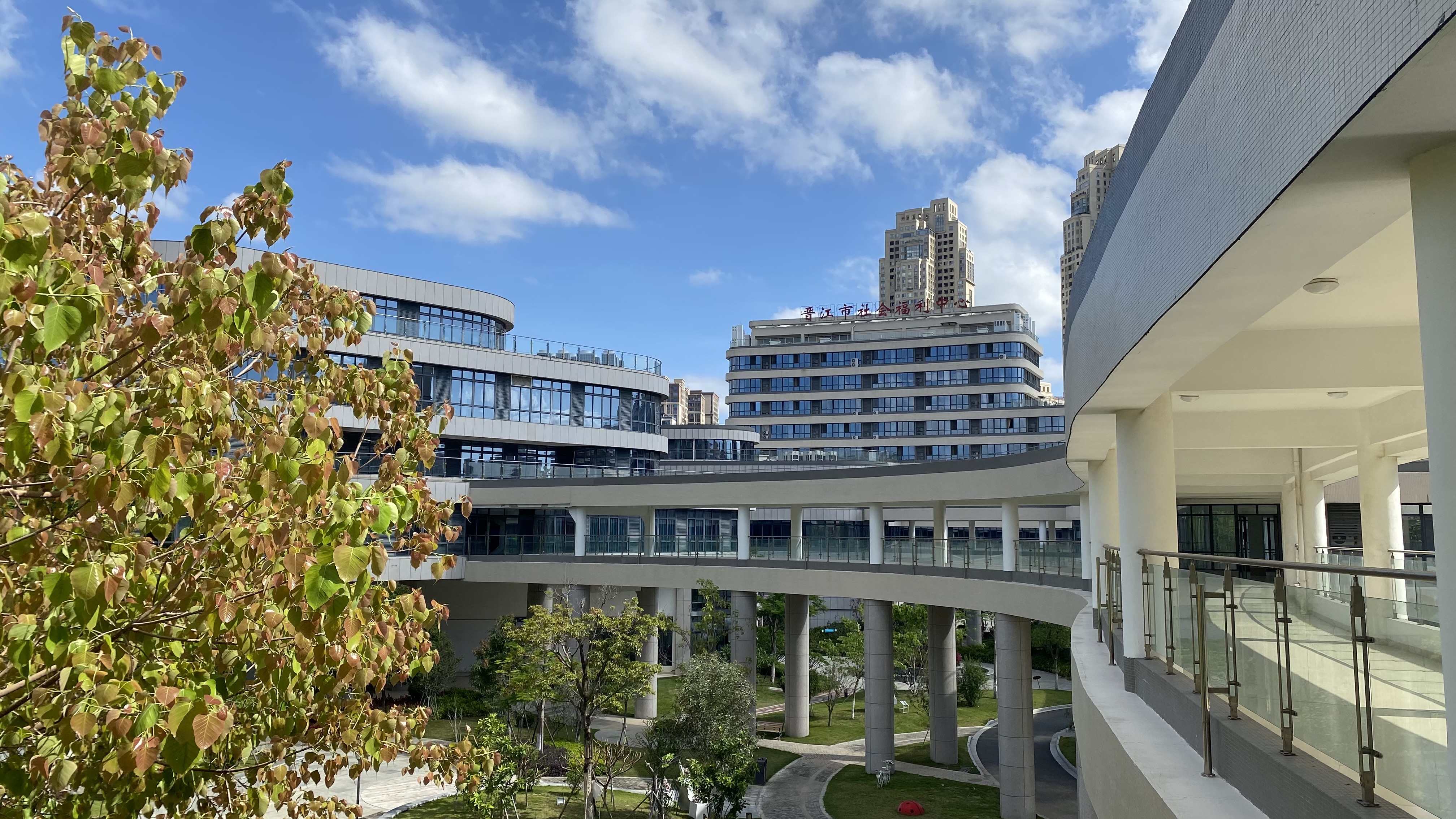
Digitalization is a defining feature of this institution. The center independently developed the “Huiyangtong” smart elderly care service platform, covering the entire process of admission, assessment, nursing, and health management. Each bed is equipped with a chip card; caregivers can scan codes to upload service records; family members can remotely view daily care and menus through a mini-program. Residential areas are equipped with millimeter-wave radar, bed-exit detectors, smart pillboxes, and other devices that are linked in real time to the platform, providing instant alerts for abnormal vital signs. Service processes are traceable and remotely visible to families, making “entrusting” care transparent and verifiable.
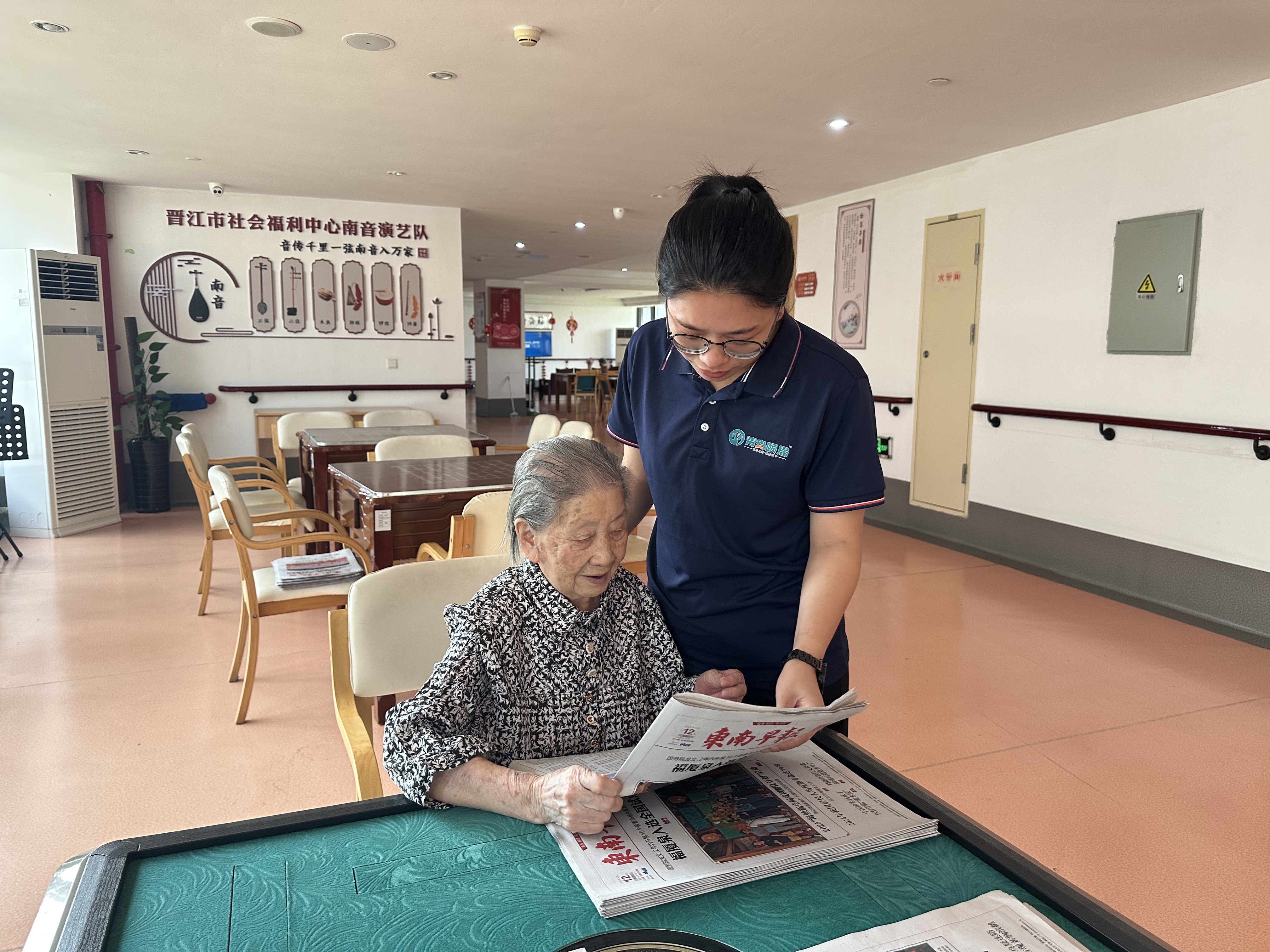
The center also introduced a “7-day no-reason refund” service (7-day free trial stay), turning the choice of elderly care from “imagination” into “experience,” effectively increasing occupancy. Currently, more than 300 elderly people reside there. In 2026, the center was selected for the second batch of the National Integrated Medical and Elderly Care Demonstration Project, the only institution in Quanzhou to make the list.
As a state-owned enterprise medical and health group, Universal Medical leverages its medical resources—more than 60 medical institutions, 16,000 beds, more than 40 elderly care institutions, and more than 4,000 elderly care beds—to establish a strategic path in integrated medical and elderly care: “relying on the core medical business, coordinating institutions with home and community care, demonstrating and replicating benchmark projects, and supporting with smart capabilities”. With institutional medical and elderly care as the main front, it simultaneously develops home-based elderly care beds, home sickbeds, home visit services, and other home- and community-based medical and elderly care formats; distills the operational experience of mature projects into standardized systems for replication and promotion to more hospitals; and uses digital capabilities to support services and management. The core of this path is to truly extend medical resources into elderly care scenarios and form a replicable and sustainable integrated medical and elderly care business model.
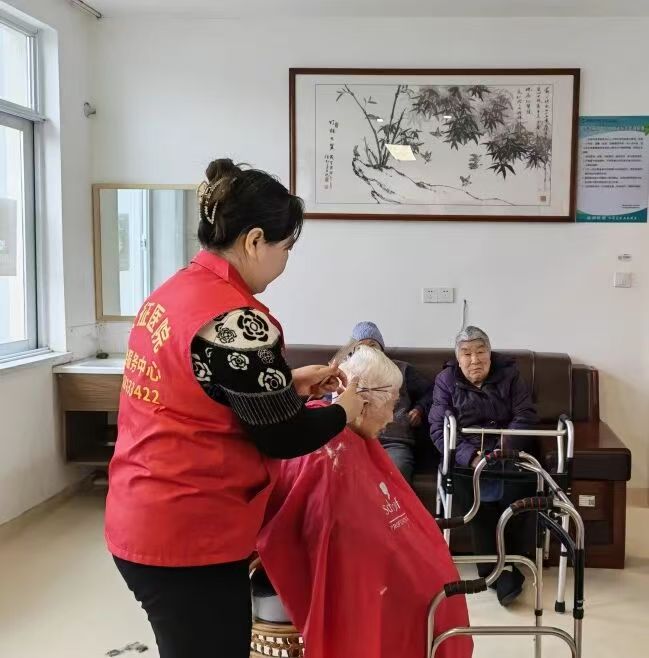
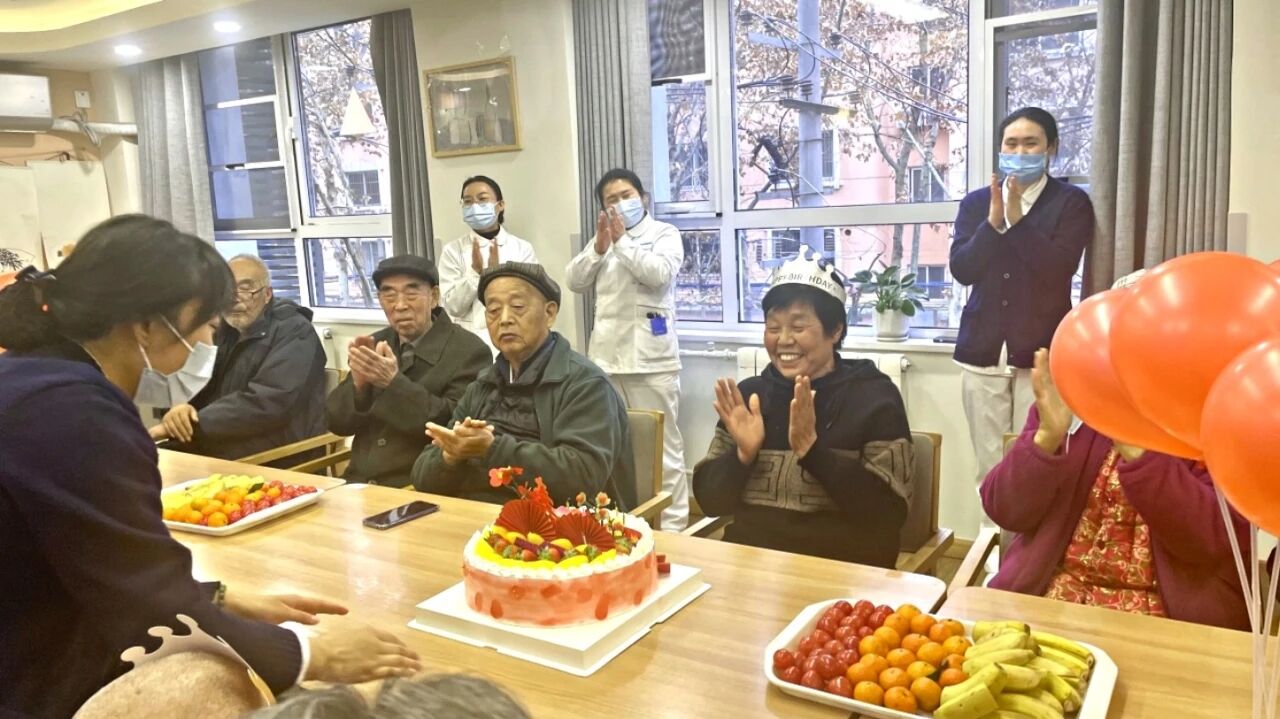
Currently, eight hospitals under Universal Medical are engaged in integrated medical and elderly care, with 10 projects covering seven provinces and municipalities directly under the central government. Among them, the “Puxuan” project at China Railway Baoji Hospital implements a four-dimensional model of “medical + rehabilitation + elderly care + nursing,” connecting the service chain of hospital beds, institutional elderly care beds, and home sickbeds, with bed utilization consistently stable above 97%; its exemplary experience was featured in China Civil Affairs. Chongqing Dadukou Changzheng Hospital focuses on professional care for disabled and semi-disabled seniors, integrating medical care, elderly care, and daytime care for people with disabilities, and has developed distinctive capabilities in chronic disease management, rehabilitation therapy, wound repair, and intubation care, with occupancy consistently at 100%. It has obtained the qualification of a designated nursing institution under Chongqing’s long-term care insurance and has been recognized as a “Beautiful Hospital” and “Elderly-Friendly Hospital” in Chongqing; in 2025, it passed the Three-Leaf rating review for the first time. Together with Xi’an’s “Five-Bed Linkage” model and Jinjiang’s “public-built, privately-operated” scale path, these form a multi-level practice matrix for Universal Medical’s integrated medical and elderly care.
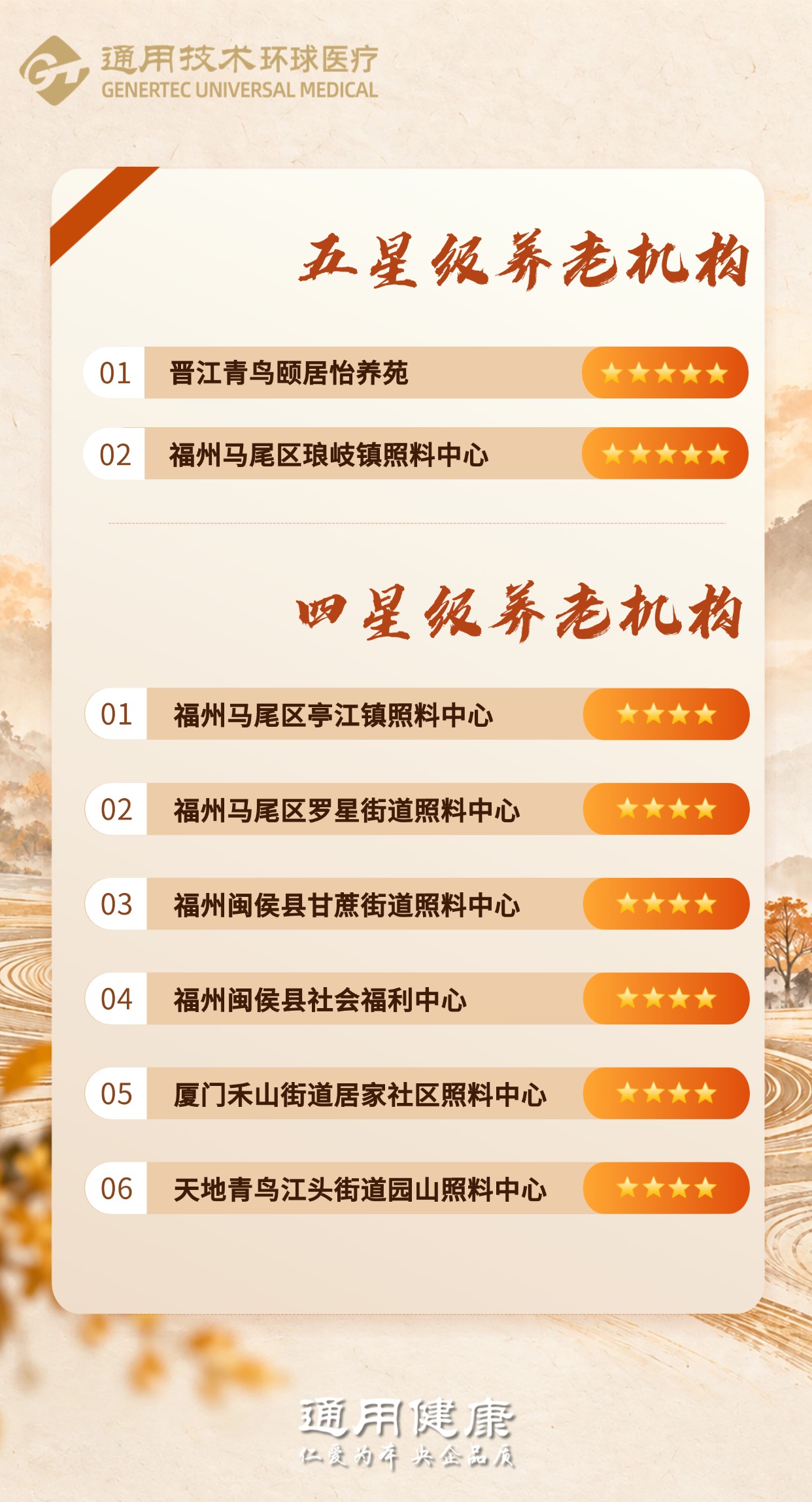
Service quality has also received authoritative recognition. As of this year, two institutions under Universal Medical have been rated five-star elderly care institutions—the highest rating awarded to elderly care institutions by civil affairs departments—and six institutions have been rated four-star elderly care institutions.
In the future, Universal Medical will continue to anchor itself in national strategies, closely align with the health and elderly care needs of older adults, extend its professional medical advantages to the front lines of elderly care, distill benchmark projects into standardized and scalable solutions, and empower the entire service process with digitalization—making elderly care more reassuring, comfortable, and heartwarming, and contributing “Universal” strength to the Healthy China initiative and the high-quality development of the silver economy.
京公网安备11010102006610号
For any suggestions, please send email to: jijian@um.gt.cn